Classification and Distribution of Meridians and Acupoints

The channel-collateral system is primarily composed of the twelve regular channels, eight extraordinary channels and fifteen major collaterals. The twelve regular channels, combined with the Ren Channel and Du Channel (two of the eight extraordinary channels), are known collectively as the fourteen channels. Each channel is lined with specialized points for acupuncture and moxibustion therapy. … Read more

Moxibustion Therapy

Moxibustion is a traditional therapy that treats and prevents diseases by applying thermal stimulation to acupoints and specific body regions. The primary material used is moxa wool, which is processed into cone-shaped moxa or roll-shaped moxa sticks. Moxa wool is produced from dried mugwort leaves (Artemisia vulgaris). The leaves are finely ground, with thick stems … Read more

Manipulation of the Needle

1. The Needles and How to Use Them (1) The Needles: The needles may be of gold,silver or alloy. The needles in most common use today are made of high quality stainless steel.On the basis of structure, the filiform needle may be divided into four parts the handle,the root,the body and the tip(Fig.1). Fig.1 The … Read more

What Acupuncture and Moxibustion Therapy Is

Acupuncture and moxibustion are two distinct ther-apeutic methods. Acupuncture treats disease by punc-turing certain points of the human body with different types of metal needles, while moxibustion is the appli-cation of heat produced by ignited moxa-wool made from dry moxa leaves over the points of the skin sur-face or certain locations in the human body. … Read more

Optic Atrophy: Clinical Profile & Standard Acupuncture Therapy

1. Definition & Classification Optic atrophy refers to degenerative changes of optic nerve fibers triggered by multiple underlying etiologies. The hallmark manifestations are marked visual loss and constricted visual fields. Clinically, it is categorized into primary optic atrophy and secondary optic atrophy in line with international ophthalmic classification standards. 2. Diagnostic Criteria & Clinical Manifestations … Read more

Myopia: Clinical Overview & Standard Acupuncture Therapy

1. Clinical Definition & Etiology Myopia is a common ametropia presenting with normal external ocular appearance, impaired distance vision and intact near vision. Classified under traditional East Asian medicine as near-sight disorder, this condition is primarily caused by axial elongation of the eyeball. The development of axial lengthening is closely linked to genetic predisposition, physical … Read more

Purslane (Ma Chi Xian)

Purslane

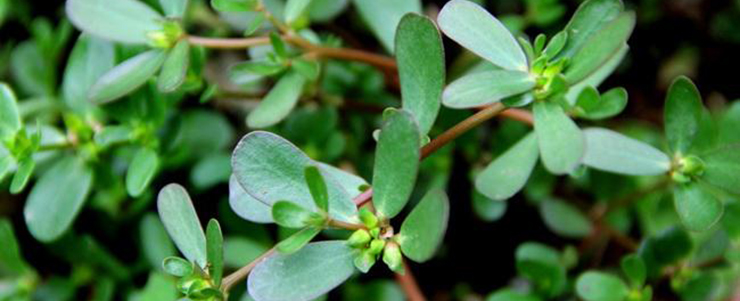
Botanical Source The whole herb of Portulaca oleracea L., a plant of the Portulacaceae family. Nature, Flavor & Meridian Tropism Sour in flavor, cold in nature. It acts on the Liver and Large Intestine meridians. Functions & Indications Clears heat and detoxifies, dissipates blood stasis and relieves swelling. It is used to treat bacillary dysentery, … Read more

Hawthorn (Shan Zha)

Hawthorn

Botanical Source Hawthorn The dried ripe fruits of Crataegus pinnatifida Bge. var. major N.E.Br. or Crataegus pinnatifida Bge., plants of the Rosaceae family. Nature, Flavor & Meridian Tropism Sour and sweet in flavor, slightly warm in nature. It acts on the Spleen, Stomach and Liver meridians. Functions & Indications Promotes digestion and invigorates the stomach, … Read more

Chinese Yam (Shan Yao)

Chinese Yam

Botanical Source The tuber of Dioscorea oppositifolia L., a plant of the Dioscoreaceae family. Nature, Flavor & Meridian Tropism Sweet in flavor, neutral in nature. It acts on the Spleen, Lung and Kidney meridians. Functions & Indications Tonifies qi and nourishes blood, invigorates the spleen, lung and kidney, consolidates essence and relieves leukorrhea. It is … Read more

Field Thistle (Xiao Ji)

Field Thistle

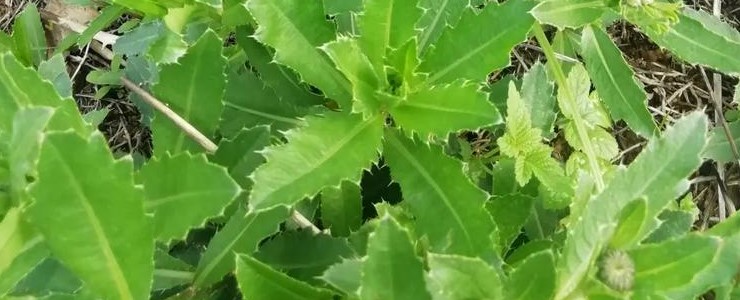
Botanical Source The dried aerial parts (flowering whole herb) of Cephalanoplos segetum (Bunge) Kitam. [Cirsium segetum Bunge], a species in the Asteraceae family. Its rhizome can also be used medicinally. Nature, Flavor & Meridian Tropism Sweet and bitter in flavor, cool in nature. It acts on the Heart and Liver meridians. Functions & Indications Cools … Read more